Oregon Sturgeon Fishing Guide:
Fishing for Ancient Monsters
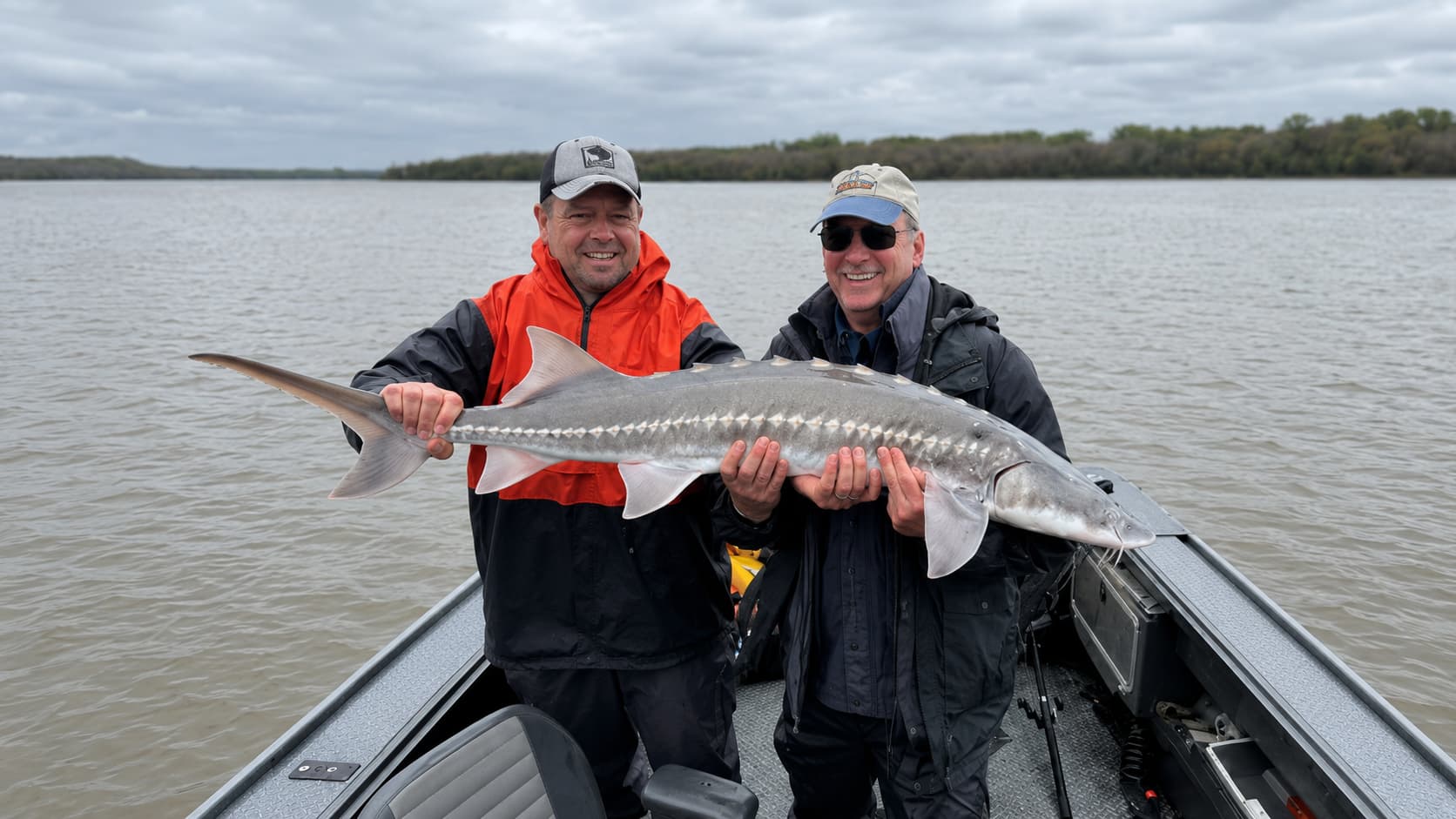
Columbia & Willamette River Sturgeon Fishing Guide.
Year-Round | Peak May–August
Sturgeon are the oldest fish swimming in the Pacific Northwest. White sturgeon have been around for over 200 million years – armored, prehistoric, and unmistakable when one comes off the bottom. They don’t jump like steelhead. They don’t run like Chinook. They pull. Hard. And the big ones pull for a long time.
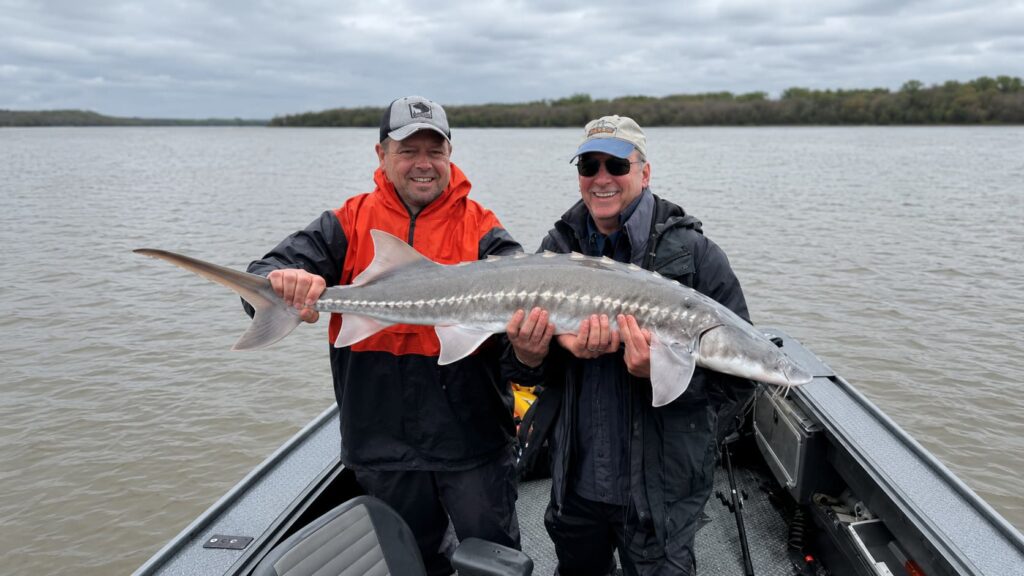
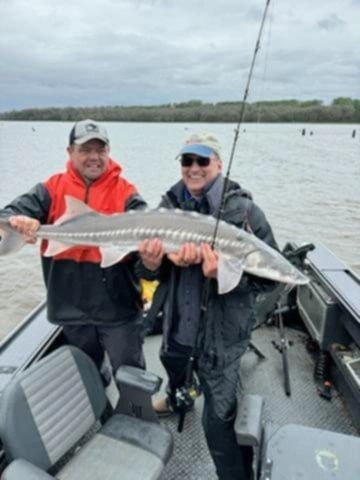
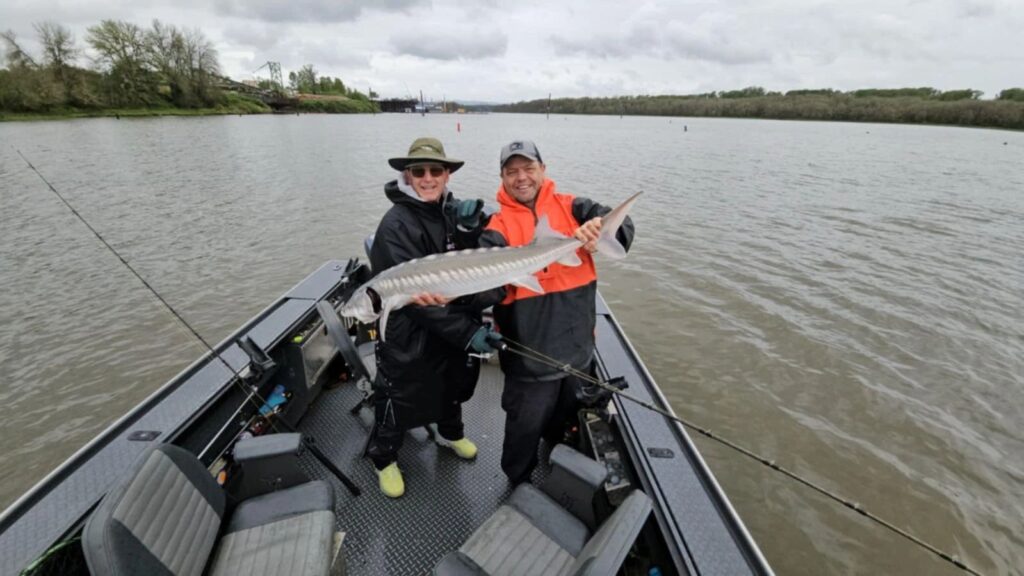
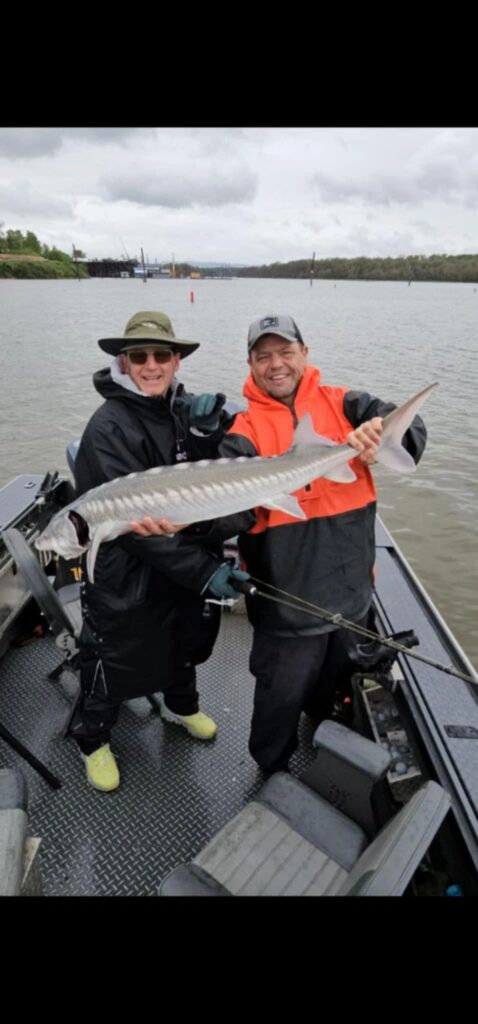
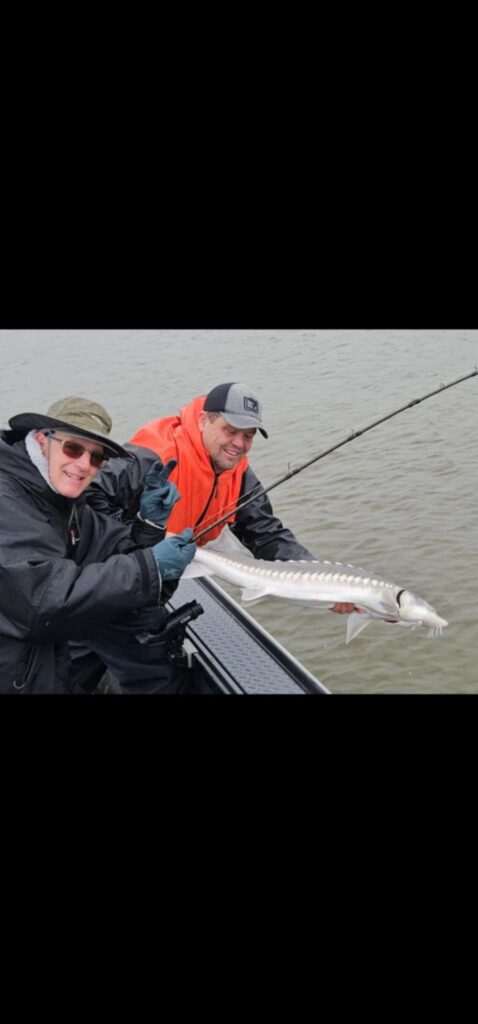
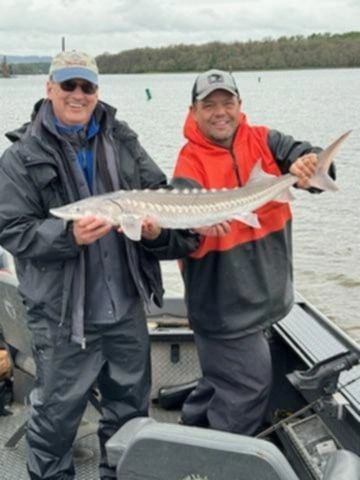
The lower Columbia and the lower Willamette hold some of the most productive sturgeon water in the country. Jamison runs trips for sublegal fish, keeper-size fish when retention is open, and oversized catch-and-release dinosaurs that pull drag like a freight train.
The largest species in the Columbia River is the White Sturgeon (Acipenser transmontanus), North America’s largest freshwater fish. The biggest certifiable specimen ever caught in the river weighed roughly 1,100 pounds and measured over 12 feet long. It was accidentally caught in a gill net in 1912).
The Sturgeon Rivers
Jamison fishes two systems for sturgeon:
The lower Willamette and Multnomah Channel – out of the Scappoose area, fishing calm water with structure that holds fish through spring and into summer. May and June are prime as oversized fish push in to feed alongside the spring Chinook run. No whitecaps, minimal sea lion pressure, and the kind of water where you can run gear cleanly and stay focused on the bite.
The lower Columbia River – wide, deep, and full of structure. The Columbia holds fish year-round and is where the heaviest oversized sturgeon in the system live. Different water, different scale, same approach.
Jamison picks the river based on the season, the flows, and where the fish have been showing.
Three Sizes of Sturgeon
Sturgeon in this system fall into three working categories:
- Sublegal (under 3 ft): Younger fish, catch-and-release. Often the most active biters and a great introduction to the species for new anglers or kids.
- Keeper-size (3–4 ft): Table fish when retention is open – firm white meat that grills, smokes, and bakes as well as anything in the river. Retention is controlled by ODFW and varies by section and season.
- Oversized (5–10+ ft): Catch-and-release only. These are the trophy fish. A seven-foot sturgeon coming up off the bottom is something most anglers never experience. Long fight. Heavy rod. Real work.
Regulations on retention change throughout the year. Jamison stays current with ODFW regulations and runs trips accordingly—you’ll always know what you’re fishing for before the day starts.
Sturgeon Fishing Methods
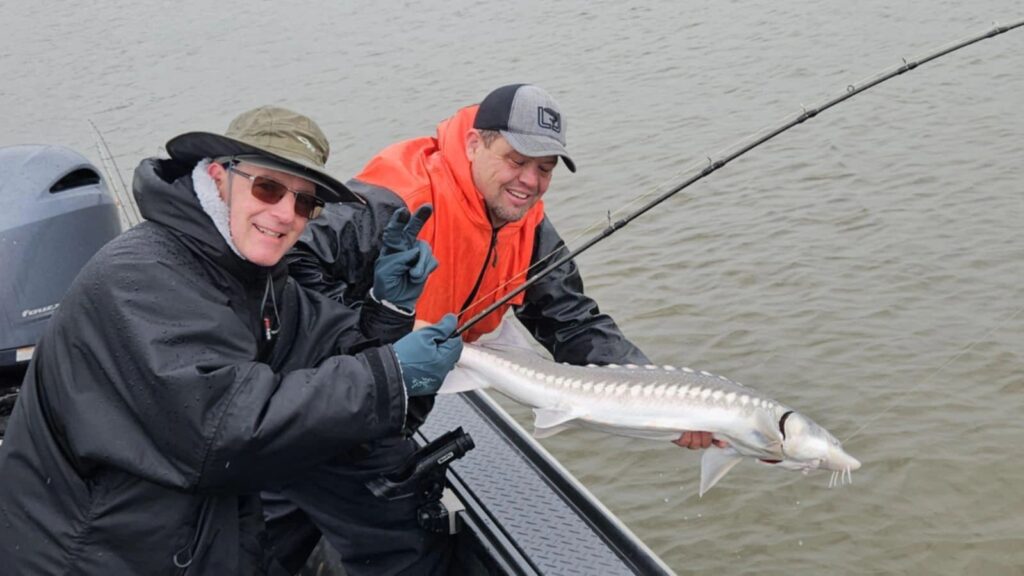
Anchor fishing is the standard approach. Bait on the bottom, rods in the holders, eyes on the tips. When a sturgeon picks up a bait, the rod loads slowly and steadily – not a jerk, not a tap. The bend tells you a fish has it. Then the fight starts.
Bait depends on the day, the river, and what’s running. Cured herring, smelt, shad, sand shrimp—Jamison runs what’s working that week. Bigger baits draw bigger fish. Cleaner presentations draw more bites and faster action.
Jamison provides commercial-grade rods built for sturgeon weight because none of this is light-tackle work. When a ten-foot fish decides to leave, you want gear that can hold it.
The Experience of Sturgeon Fishing
WOW!
Sturgeon fishing rewards patience and pays in raw power. There’s a long pause between bites sometimes – and then the rod doubles over and a fish that has been alive longer than your grandparents starts pulling against you. There is no other freshwater fight in Oregon like it.
It works for serious anglers, complete beginners, families, and kids. The challenge isn’t casting or presentation – it’s hanging on once a big fish decides to run. That’s a fight everyone can take a turn on.
If you’ve caught salmon and want to feel something bigger, sturgeon is the next step.
What’s Included?
Jamison provides everything: rods, reels, bait, and terminal tackle. Bring your license and any required sturgeon tag, food and drink for the day, and clothing for the conditions.
Catch-and-release fish are landed, photographed, and released cleanly. When retention is open and you’re taking a keeper home, the fish comes off the boat cleaned, filleted, and bagged – ready to cook.
Sturgeon Fishing Experiences…